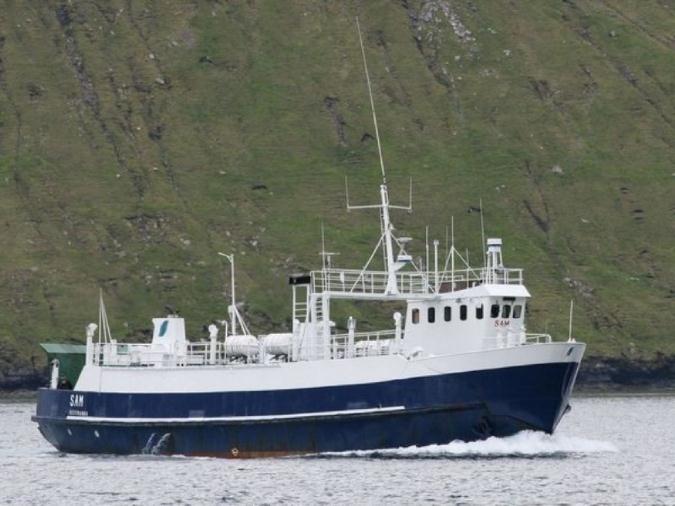
Travelling by ferry is one of the most scenic ways to explore the Faroe Islands. Sailing between islands offers breathtaking views of dramatic cliffs, waterfalls, and open ocean. However, due to the islands’ exposed location and unpredictable weather, ferry delays can occasionally occur — especially during winter or periods of rough seas.
Weather conditions in the Faroe Islands can change rapidly. Calm seas may quickly turn rough, with strong winds, heavy rain, fog, or snow affecting sailing schedules. Temporary delays or cancellations are sometimes unavoidable, so it’s wise to build flexibility into your travel plans.
Ferries are generally reliable, but extreme weather can cause delays. Always check the latest schedules before departure, particularly if you’re travelling on a tight itinerary. Updated timetables and service alerts are available on the Strandfaraskip Landsins website, the official operator of ferry services in the Faroe Islands.
If you are prone to seasickness, be aware that waters around the islands can become choppy. Consider bringing seasickness tablets or taking precautions before boarding. Staying on deck and focusing on the horizon may also help reduce discomfort.
Ferries in the Faroe Islands are well equipped to handle challenging conditions. Vessels offer warm indoor seating, onboard facilities, and trained crews who prioritise passenger safety. All ferries undergo regular maintenance and safety checks.
By preparing for possible ferry delays, you can reduce stress and enjoy the journey — embracing the unique experience of island travel in the North Atlantic.
What should I do if my ferry is delayed or cancelled?
Check the Strandfaraskip Landsins website for real-time updates. If a sailing is cancelled, staff will assist with rebooking or provide further instructions.
Are ferries safe during rough weather?
Yes. Ferries in the Faroe Islands are built to operate in challenging conditions and are maintained to high safety standards. Crews are experienced and safety procedures are taken seriously.
Can I get seasick on the ferries?
Yes. Some travellers may experience seasickness when seas are rough. Bringing medication or taking preventive measures is recommended, especially in winter.
Should I plan extra time when travelling by ferry?
Yes. Allowing extra time between connections is strongly recommended, particularly during winter or stormy periods.

 10°C
10°C
