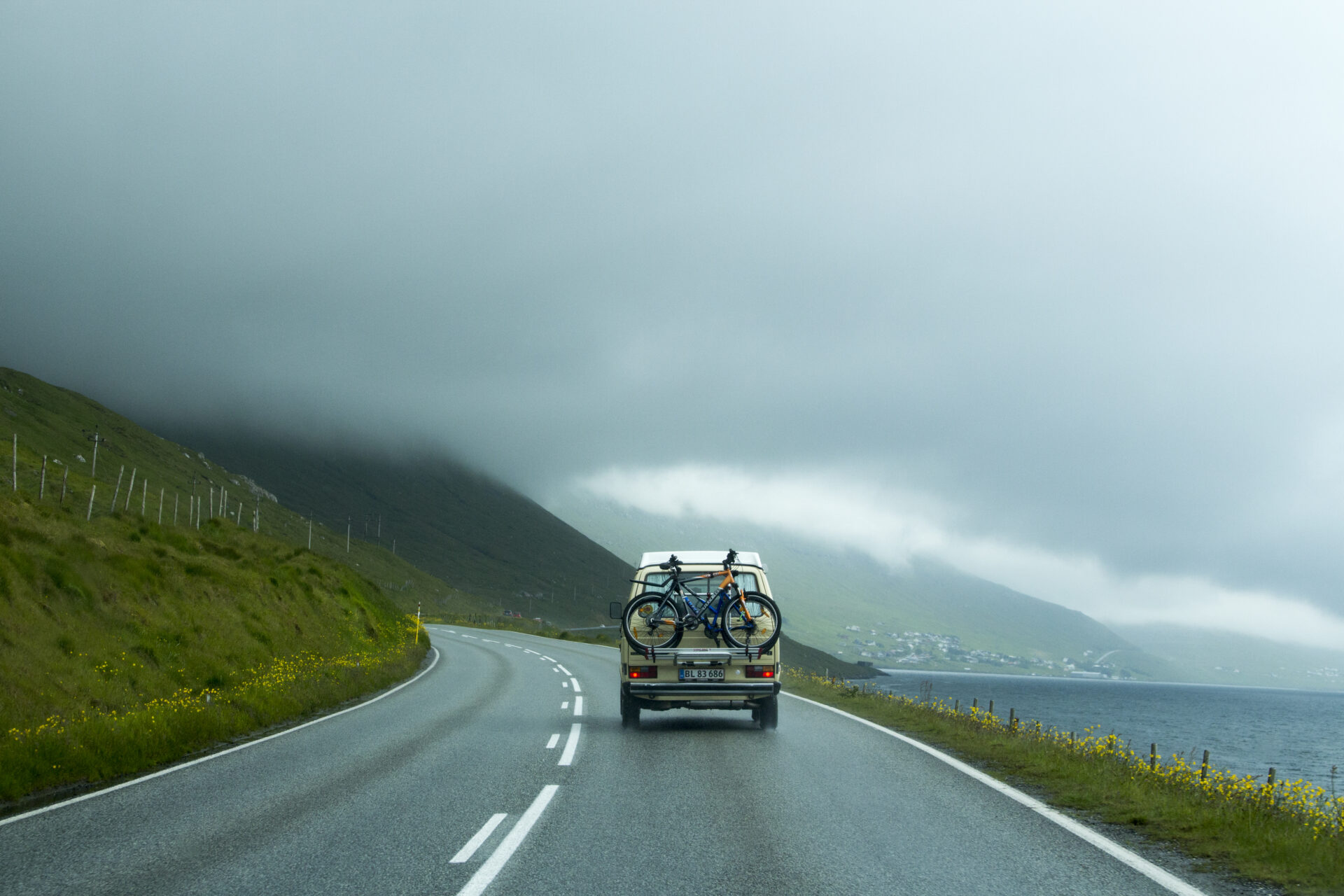
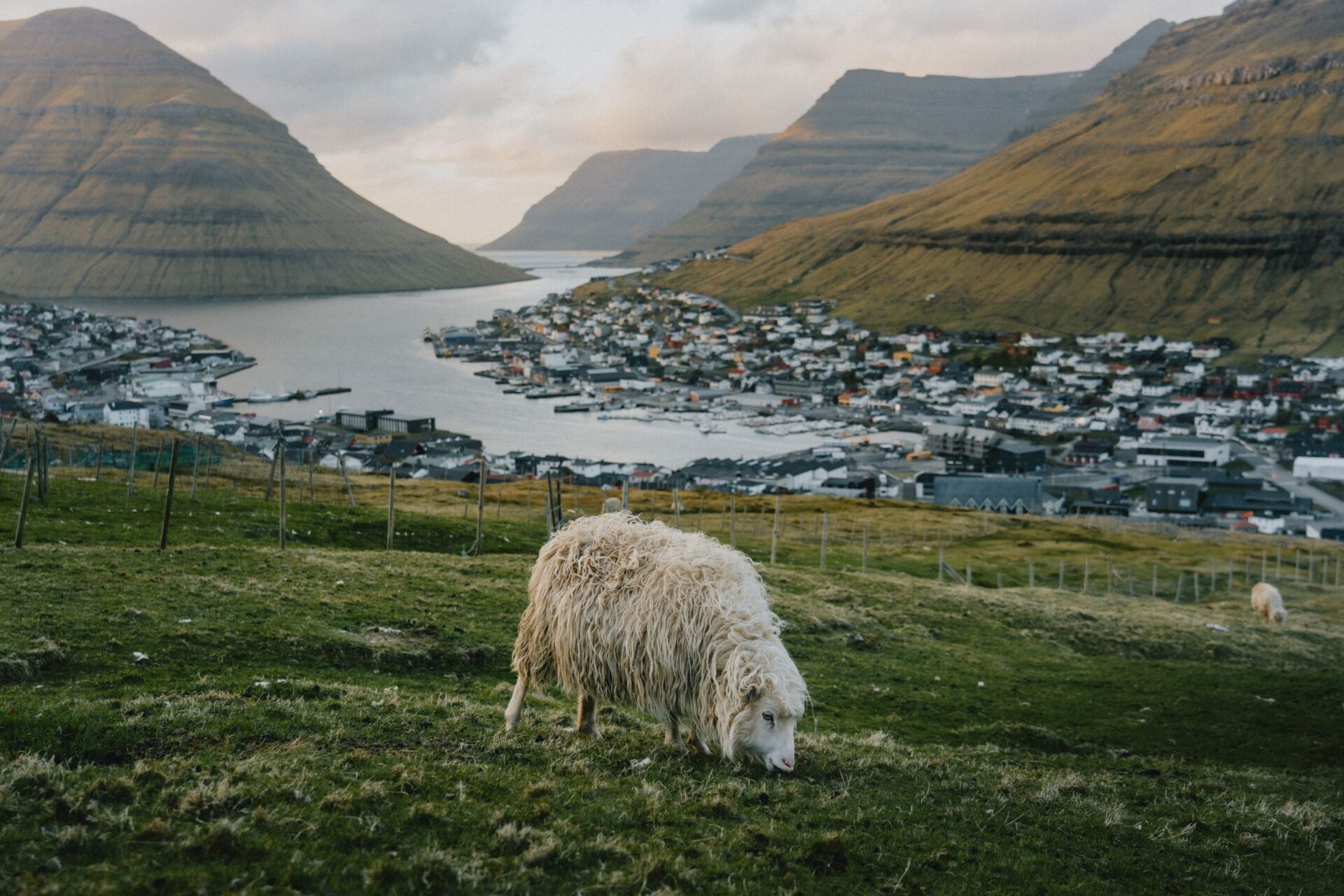
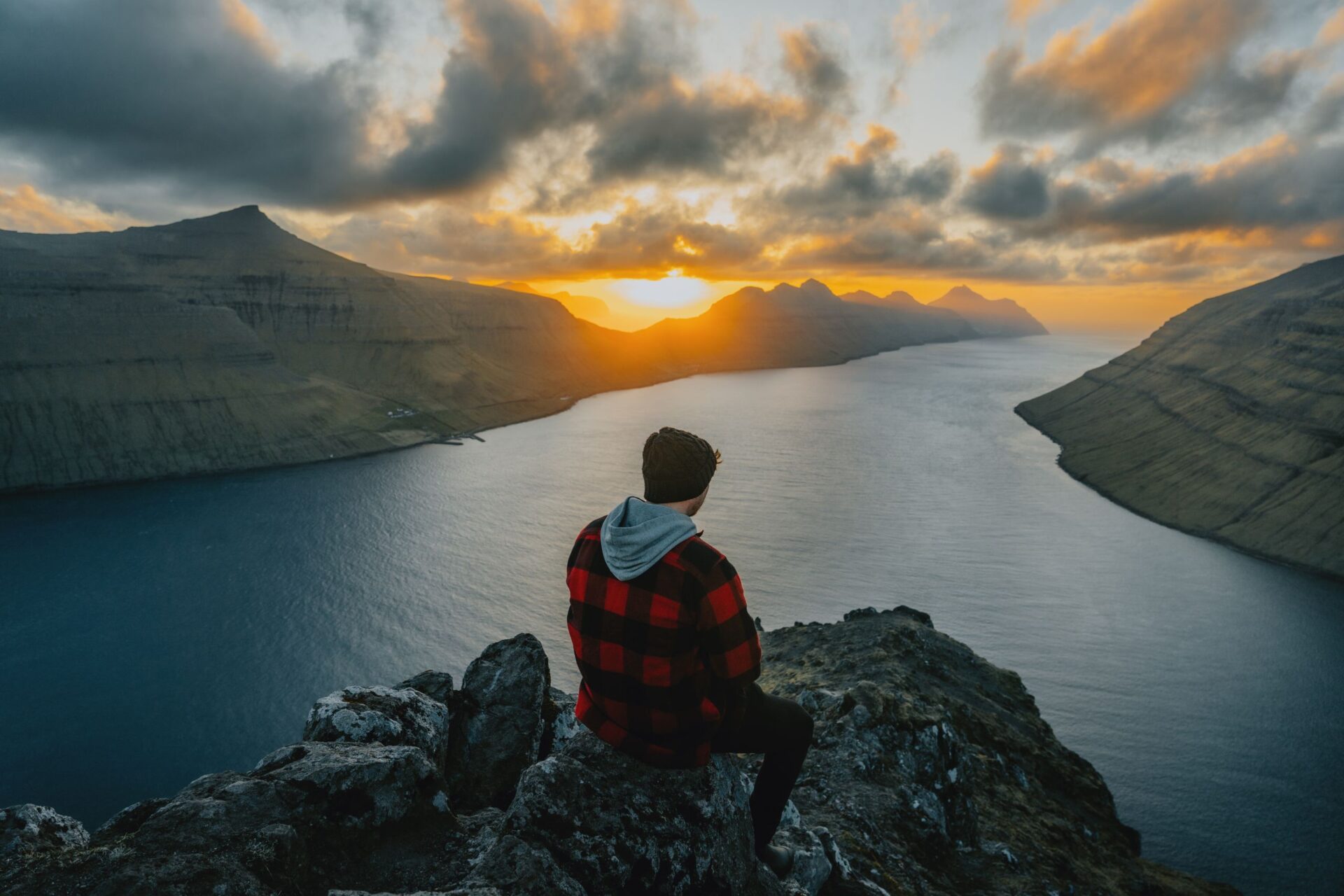
The Northern Faroe Islands, known for their rugged landscapes, remote villages, and dramatic coastal cliffs, offer an unforgettable experience for adventurous travellers.
The Faroe Islands offer ever-changing scenery throughout the year. Temperatures remain relatively mild, typically ranging from around 3°C (37°F) in winter to 13°C (55°F) in summer. Each season brings its own character — from fresh spring landscapes and bright summer evenings to misty autumn days and dramatic winter skies.
Weather conditions can shift quickly at any time of year, with a mix of sunshine, rain, fog, and strong winds often occurring within the same day. This constant change creates striking light, vibrant colours, and unforgettable atmospheres across the islands.
No matter the season, visitors can enjoy hiking, coastal views, birdlife, and peaceful village life — as long as they come prepared for changing weather and outdoor conditions.

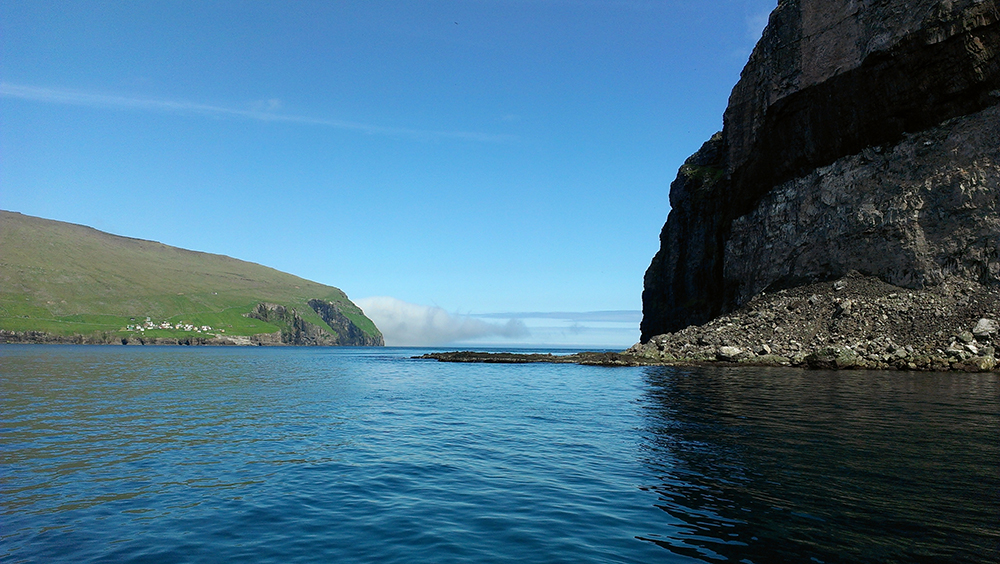

 9°C
9°C