Wildlife in the Faroe Islands is unique and fragile, and encounters should always be respectful. The islands are home to a remarkable variety of animals — from seabirds nesting on dramatic cliffs to seals resting along quiet coastlines. Observing wildlife here can be an unforgettable experience when done with care and consideration.
Whether you encounter seabirds, seals, or sheep, always observe animals from a safe distance. Getting too close can cause stress and disrupt natural behaviour, especially during nesting or breeding seasons.
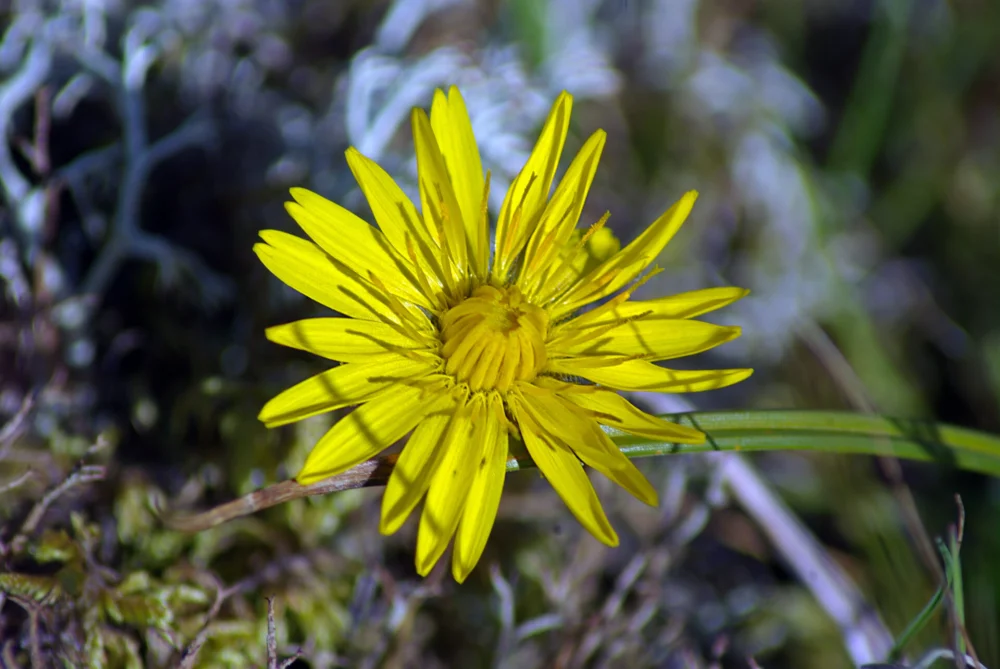
The Faroese flora is part of a delicate ecosystem. Enjoy wild plants with your eyes, not your hands. Picking flowers or damaging vegetation can harm local species and habitats.
Move slowly, stay quiet, and allow animals to behave naturally. This not only protects wildlife but also leads to more genuine and rewarding encounters — calm observers often see far more.
Respect for wildlife in the Faroe Islands helps preserve a natural balance that has existed for centuries. The Faroese people have lived alongside nature for generations, maintaining a careful relationship between human activity and wildlife habitats. As a visitor, your behaviour directly affects animals and their environment — and even small choices can make a big difference.
For more information on responsible travel, visit Visit Faroe Islands.
When is the best time to see wildlife in the Faroe Islands?
Spring and summer are ideal for birdwatching, especially for puffins and other seabirds nesting on cliffs. Seals can often be seen year-round along sheltered coastlines.
Can I approach animals for photos?
No. For your safety and the animals’ wellbeing, always keep a safe distance and use a zoom lens. Disturbing wildlife can cause stress and alter natural behaviour.

 10°C
10°C
